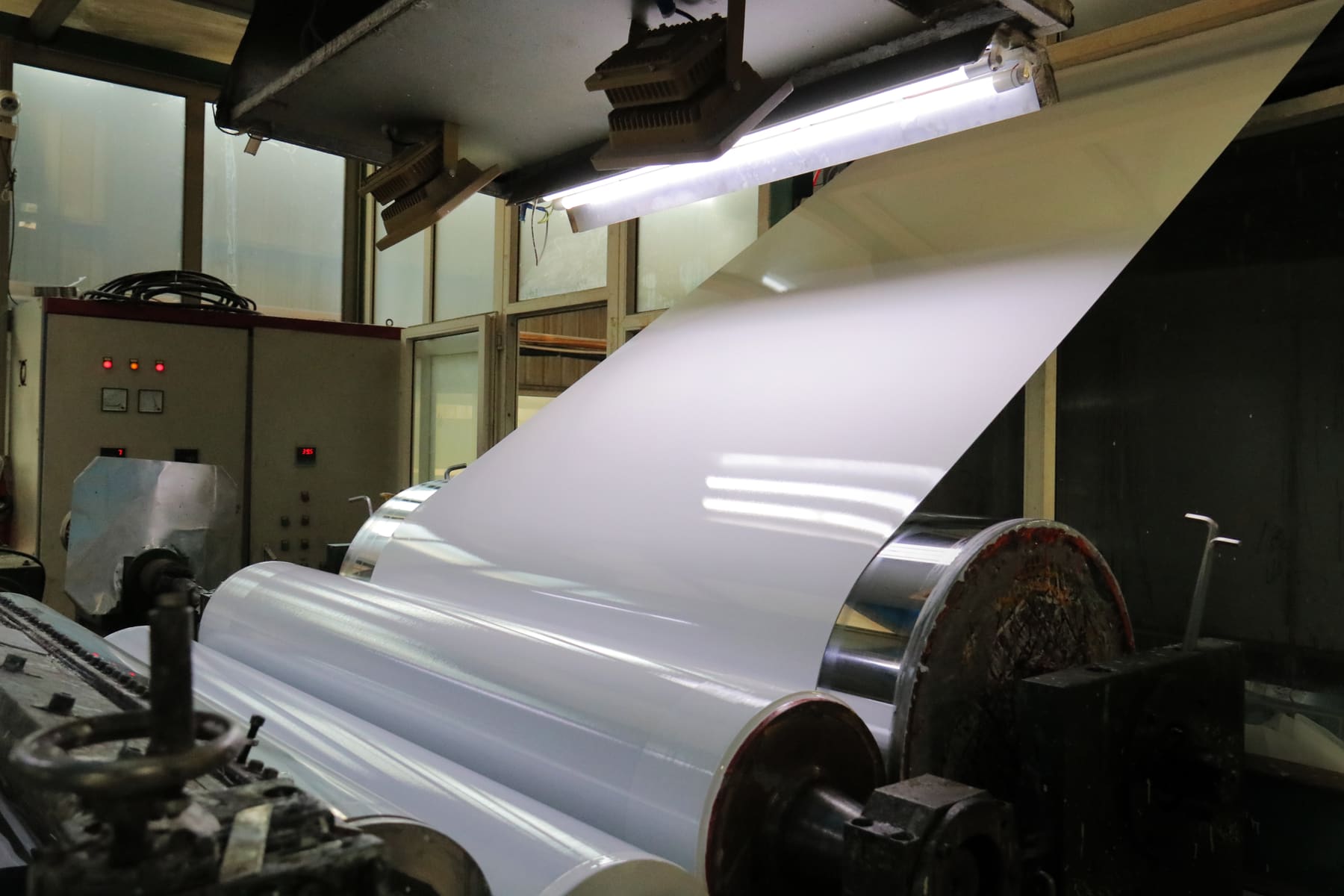
Sublimation aluminum is a coated system
Sublimation aluminum is aluminum sheet or a cut aluminum blank carrying a polymer-based receptive coating. During heat pressing, sublimation dye changes into a gas and diffuses into that coating. After cooling, the image becomes part of the coated surface rather than a vinyl layer sitting on top.
This distinction matters in sourcing. Two panels may look similar before printing but produce different black density, color balance, gloss, edge behavior or press marks because the coating chemistry, coating weight and curing consistency are different.
White base versus clear or metallic base
A white coating gives the image an opaque neutral base. It is usually the safer choice for portraits, brand colors and artwork where predictable whites and saturated color are important. A clear coating allows the metal appearance to show through areas that contain little or no dye, creating a metallic effect.
Clear or brushed products are not simply ‘silver white.’ Highlights can take on the appearance of the aluminum, and pale image areas may lose opacity. Buyers should approve representative artwork, not only a color patch.
- Use white surfaces for dependable photographic color.
- Use clear or brushed surfaces when metallic highlights are part of the design.
- Confirm gloss, semi-gloss or matte appearance under the final viewing light.

How the coating affects production
Coating uniformity affects repeatability across a batch. Surface contamination, uneven curing, damaged protective film or storage moisture can appear as pinholes, dull patches, inconsistent release or local color variation.
A useful supplier discussion therefore includes coating appearance, protective film, handling, batch traceability and packaging—not only alloy and thickness.
Press settings are product-specific
There is no responsible universal time and temperature for every coated aluminum product. Sawgrass publishes starting ranges and explicitly advises users to follow the substrate manufacturer’s instructions and test. ChromaLuxe instructions also vary by panel size and product construction.
Record the panel code, press, actual platen temperature, pressure method, paper, ink, transfer orientation and cooling method during sampling. That record becomes the baseline for repeat orders.
- Remove protective film when the product instructions require it.
- Clean the printable face without leaving lint or residue.
- Use fresh protective paper to reduce dye contamination.
- Test for ghosting, edge fade and pressure marks before scaling up.
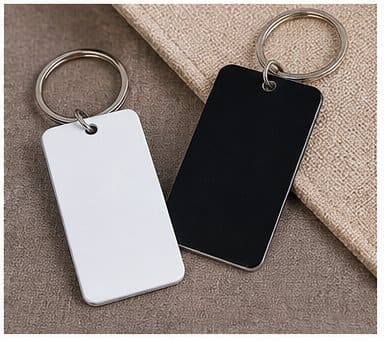
What wholesale buyers should request
Ask for the intended application, finish, thickness, dimensions, protective film and packing method to be written into the quotation or approved specification. For OEM blanks, add the drawing revision, corner radius, hole size and hole position.
A printed sample created with your own workflow is more informative than a generic supplier photograph. Evaluate it under neutral light and keep an approved control sample for future batch comparison.